



How to Build the Perfect Salad or Wrap at Simply Salad


How to Build the Perfect Salad or Wrap at Simply Salad
How to Build the Perfect Salad or Wrap at Simply Salad
If you want a meal that feels fresh, filling, and easy to customize, a salad or wrap is hard to beat. The best part is you do not have to settle for a boring bowl of greens or a “slop bowl” like found at other fast casual restaurants. At Simply Salad, you can build your own salad or wrap in a way that matches your taste, your hunger level, and your goals for the day. Some people want a light lunch that does not slow them down. Others want protein rich salads that actually keep them full until dinner. You might be craving something crunchy, something spicy, or a mix of flavors that feels like a real meal instead of a side dish.
The good news is that a great salad or wrap follows a simple formula. Start with a base you enjoy, add a mix of textures, choose one or two main proteins, and finish with a dressing that ties everything together. When you do it right, you get balanced meal salads or wraps that taste good and make you feel good.
This guide walks you through how to build the perfect salad or wrap at
Simply Salad using practical steps. You will also get ideas for healthy lunch options, smart ingredient combinations, and simple tips to keep your meal satisfying without going overboard.
Start With Your Goal for the Meal
Before you choose a base or toppings, take ten seconds and decide what you want from the meal. This step makes everything easier because it guides your choices.
If you want a light meal, focus on more vegetables, lean protein, and a lighter dressing. If you want something more filling, add a hearty protein, a fiber rich ingredient like beans, and a little healthy fat like avocado. If you want a post workout meal, build around higher protein and include a moderate amount of carbs so you feel fueled instead of drained.
This is what makes the build your own salad style dining useful. You can adjust the meal based on the day rather than eating the same thing every time.
Choose a Base That Matches the Experience You Want
Your base sets the tone. Some people love the crisp bite of romaine lettuce. Others prefer a darker leafy green flavor. The base also affects how the dressing holds and how the bowl feels after a few minutes.
If you want something crisp and refreshing, choose a romaine lettuce base. If you want a more robust feel, choose a darker green like spinach, kale, or a mixed greens option. A good base should feel fresh, clean, and strong enough to hold the toppings without becoming soggy too quickly.
For wraps, the base changes slightly because the tortilla becomes part of the structure. Still, what you put inside matters. Choose ingredients that pack well and do not release too much water too quickly. This helps the wrap stay firm and enjoyable from the first bite to the last.
Build Flavor With Fresh Salad Ingredients
A great custom salad bowl is not only about greens. It is about the mix of fresh salad ingredients that bring crunch, color, and flavor.
Start with vegetables that give texture and contrast. Crisp options like cucumbers or carrots add crunch. Grape tomatoes add juiciness. Onions can add bite. Red bell peppers add brightness. If you like a little heat, choose ingredients like jalapenos that bring spice without overpowering the whole bowl.
A simple rule is to choose a mix of two or three crunchy vegetables, one juicy vegetable, and one flavor booster ingredient. This could be something pickled, something herby, or something that adds a bold taste.
The goal is to avoid a salad that tastes flat or is limited to one flavor note. When the ingredients vary, every bite feels interesting.
Add Protein to Turn It Into a Real Meal
If your goal is a balanced lunch, protein is the main piece that turns a salad from a snack into a meal. Protein rich salads help you stay full longer, support energy levels, and help reduce the urge to grab something sugary later.
At Simply Salad, you can build around options that fit different preferences. Lean proteins like grilled chicken are popular for a reason. They pair with almost any topping and work with most dressings. If you prefer plant based choices, beans and tamari tofu can add both protein and fiber. Some people like to combine two proteins, but you usually do not need that unless you are extra hungry or you are building a meal after a workout.
A helpful approach is to choose one main protein, then support it with one secondary protein source like garbanzo beans or black beans if you want more staying power. This keeps the bowl balanced without making it heavy.
Use Carbs the Right Way
Carbs are not the enemy of a healthy meal. The key is choosing the type and the amount that matches your needs. A salad can feel satisfying without being overloaded, but adding a small portion of the right carb can make it feel complete.
Beans and pita add fiber and help stabilize energy. They also add substance, which is helpful if you are eating a salad as your main meal. For wraps, a tortilla already adds carbs, so you may not need extra grain. If you do add it, keep it moderate so the wrap stays easy to eat and does not feel overly dense.
Think of carbs as a support ingredient, not the star. They should improve the texture and satisfaction without taking over the bowl.
Add Healthy Fats for Satisfaction and Flavor
Healthy fats do two important things. They help the meal feel satisfying, and they carry flavor. A salad without any fat can taste dry or feel like it is missing something even if the ingredients are fresh.
Avocado is a popular choice because it adds creaminess. Nuts and seeds add crunch and richness. A small amount goes a long way. Even the right dressing choice can provide the fat balance you need without adding too much.
The best approach is to choose one main fat source. If you pick avocado, you may not need a heavy dressing. If you choose a nut topping, you may want a lighter dressing so the flavors do not compete.
Choose a Dressing That Fits the Bowl or Wrap
Dressing can make or break a meal. The right dressing ties everything together and turns separate ingredients into a unified flavor. The wrong dressing can overpower the bowl, make it soggy, or clash with your protein.
If your bowl includes bold toppings, choose a simpler dressing that supports rather than dominates. If your bowl is more mild, choose a dressing with stronger flavor. For wraps, consider asking for dressing on the side or a lighter amount so the wrap stays firm and does not leak.
A simple tip is to think about the dressing as the final seasoning. You want enough to coat the ingredients lightly, not drown them. If you are building healthy salad options, watch portion size because dressing is one of the easiest ways calories add up quickly.
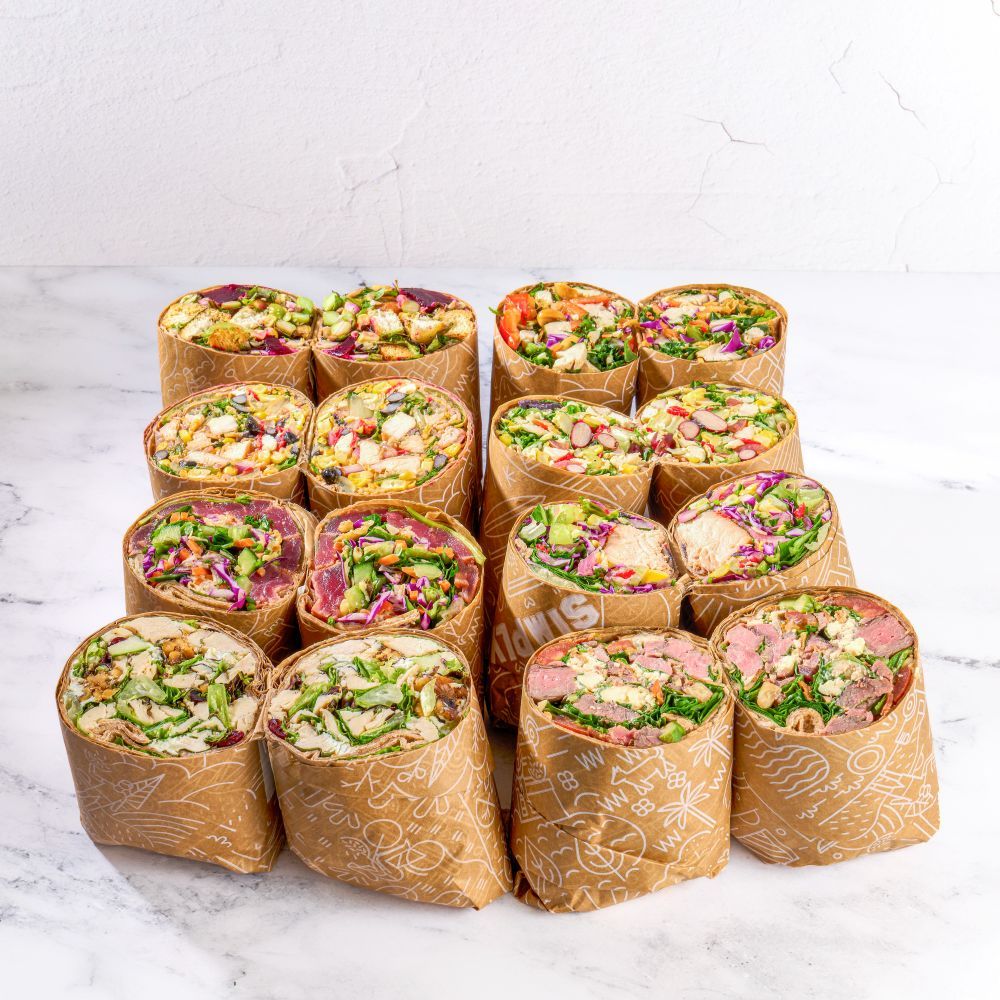
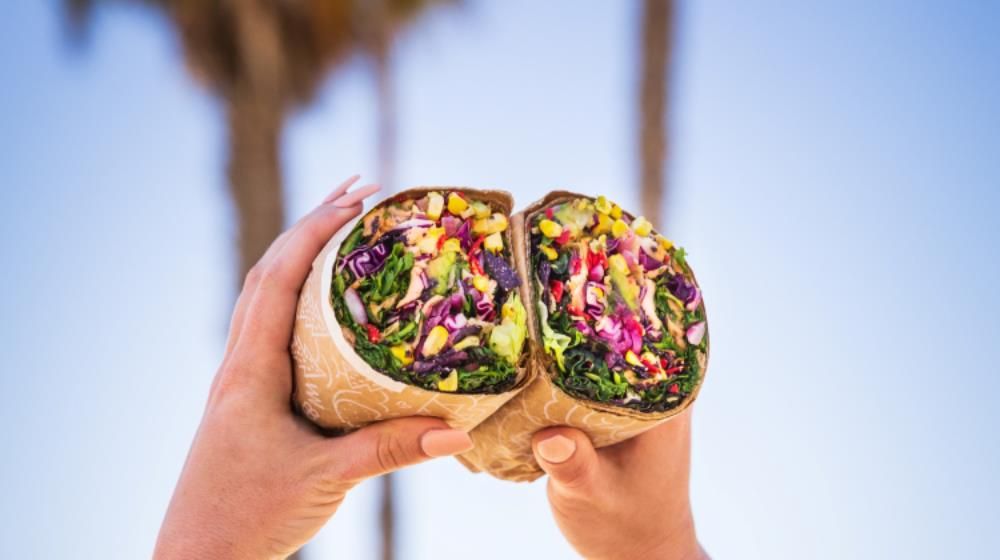
Build a Wrap That Holds Together
Wraps are a great choice when you want something portable. The trick is building it so it is easy to eat and still tastes fresh.
Start with a protein and a crunch. Add a few vegetables that do not release too much water. Avoid packing in too many wet ingredients at once. Keep the dressing controlled. Add a flavor booster ingredient to keep it interesting.
The best wraps have balance. They are not overloaded, and each ingredient has a purpose. When you build it this way, you get healthy wraps near me style convenience without sacrificing quality.
Easy Salad and Wrap Combinations That Always Work
If you want a reliable order without overthinking, use these simple patterns.
The classic salad rich in protein could include greens, grilled protein, cucumbers, tomatoes, onions, a handful of beans, and a vinaigrette style dressing. It is clean, filling, and easy to enjoy.
A crunch focused salad includes greens, protein, carrots, cucumbers, a crunchy topping like sunflower seeds, and a bright dressing. It feels fresh and satisfying.
A hearty salad could include include greens, protein, black beans, soft pita on top, and a creamy element like avocado. Keep the dressing lighter since the bowl already has richness.
A simple wrap includes protein, crunchy vegetables, one creamy ingredient, and a lighter dressing. Keep the ingredient list shorter than a salad so the wrap stays manageable.
These salad and wrap combinations help you build quickly while still feeling like you made a custom meal.
How to Keep Your Meal Balanced Without Overloading It
One of the easiest mistakes is adding too many toppings. You start with great intentions, but the bowl becomes a mix of everything, and the flavors stop working together. The same thing happens with wraps when they get too full to hold.
A simple balance approach is to pick a base, one main protein, three to five vegetable toppings, one carb add on, one healthy fat, and one dressing. That is enough variety without turning it into chaos.
If you want something extra, choose it intentionally. Add one bold topping or one extra crunch. Avoid adding three extra things at once.
This approach keeps your meal satisfying, organized, and enjoyable.
Helpful Tips for Ordering on Busy Days
If you are in a rush, choose a go to build that you already know you like. That way you are not making decisions under pressure.
If you are ordering for later, choose ingredients that hold well. Avoid too many wet toppings and keep dressing separate if possible. This keeps the salad fresh and prevents sogginess.
If you want to stay consistent, think in categories rather than specific ingredients. Choose one protein you like, a standard set of vegetables, and one dressing. Then rotate one element each visit so it stays interesting.
This is how you get healthy lunch ideas that you can repeat without getting bored.
Key Takeaways
A great salad or wrap starts with a clear goal for the meal Choose a base that fits your taste and the way you plan to eat it Use fresh salad ingredients for texture and flavor balance Add protein to make it filling and build balanced meal salads Keep dressing controlled so the flavor stays clean and the texture stays right